A place shaped by settlement
Across Alberta and the wider Canadian Prairies, communities grew as newcomers arrived, took up homesteads, and established the local network of farms, roads, schools, and churches that defined rural life.
In that pattern, a cemetery becomes a shared landmark: proof that families rooted themselves here, endured hardship, and committed their loved ones to this soil—often far from the places their ancestors were buried.
Scholars of prairie memory note how the act of designating a burial place helped immigrant communities make the new land feel permanent and communal.
Families and pioneers
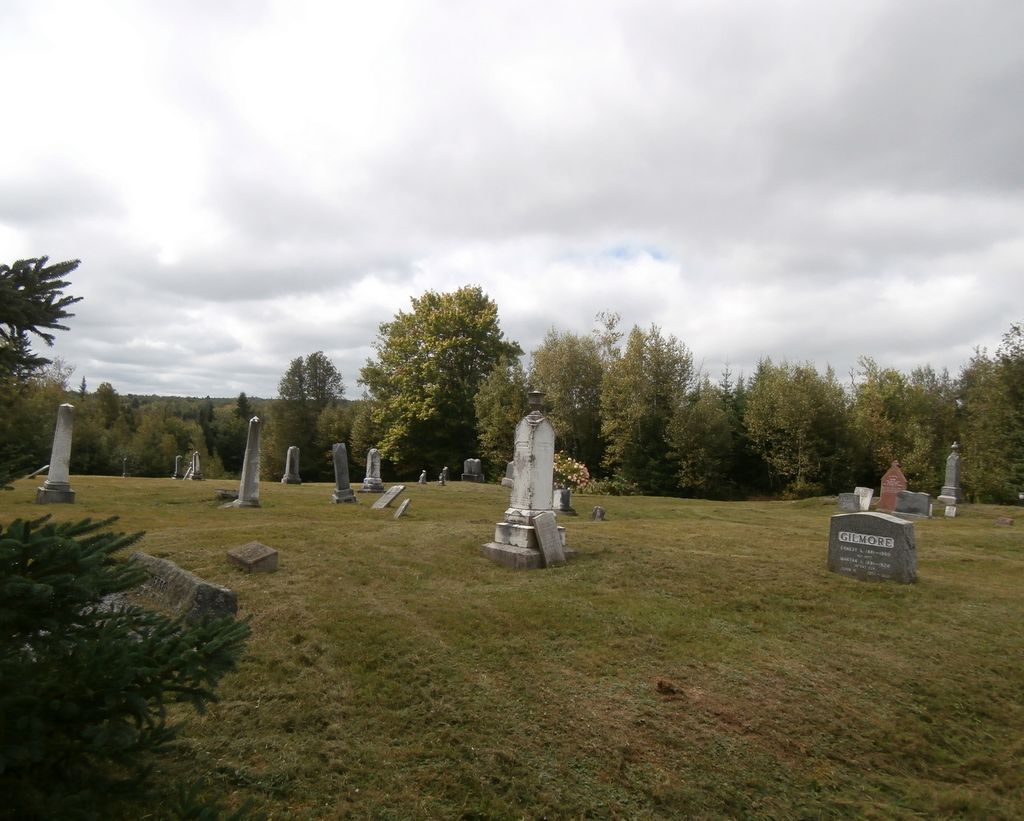
The cemetery reflects the full arc of pioneer life: infants and elders, accidents and illness, wartime generations, and neighbors buried near neighbors. Each grouping of stones suggests friendships, marriages, and shared work—an entire community map written without street names.
Over time, as farms change hands and younger generations move away, the cemetery may become the most enduring sign that a settlement once flourished. In many prairie regions, it remains the “last standing” community landmark.
How to read a cemetery
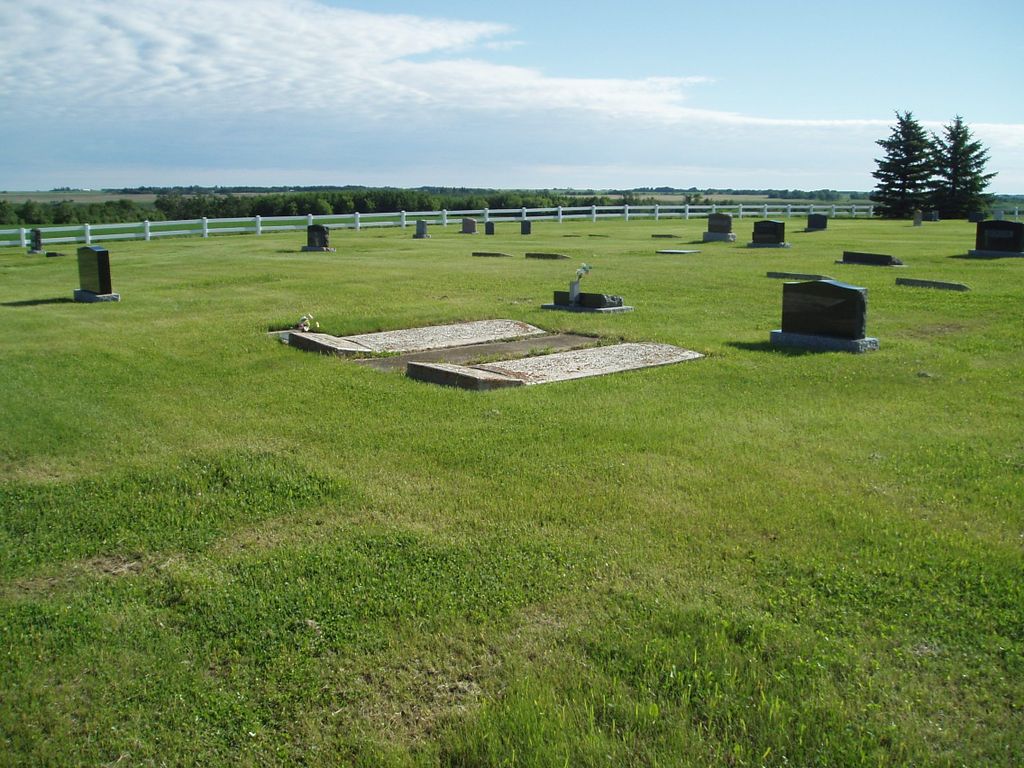
For genealogists and local historians, cemeteries provide primary clues: surnames across rows, repeating given names, shared plot areas, and dates that align with waves of settlement and community events.
What visitors often look for
- Family groupings and neighboring surnames.
- Birth and death dates that match historic periods.
- Inscriptions, symbols, and affiliations.
- Unmarked areas that may require careful research.
Share what you know
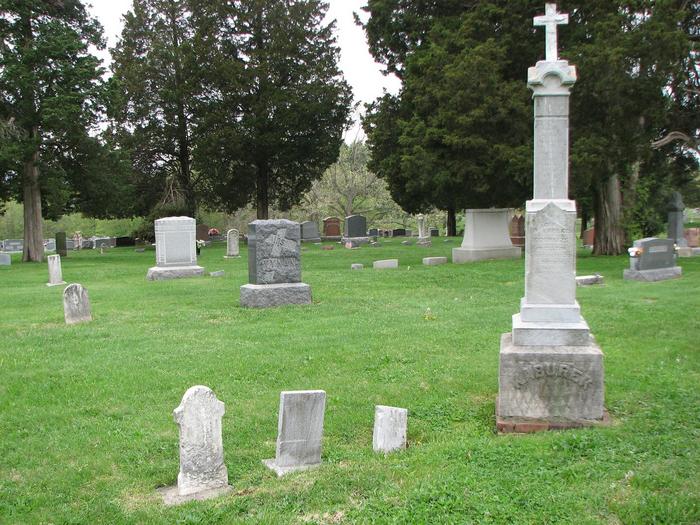
If there is a family story, an obituary clipping, a photograph, or a remembered plot location connected to Meeting Creek, sharing it helps the Society protect the cemetery’s historical value. Genealogy is strongest when it is community-supported—many small details, gathered respectfully, building one reliable record.